Auditory Environment Adjustments and Their Documented Impacts on Focus Levels in Prolonged Digital Poker Sessions
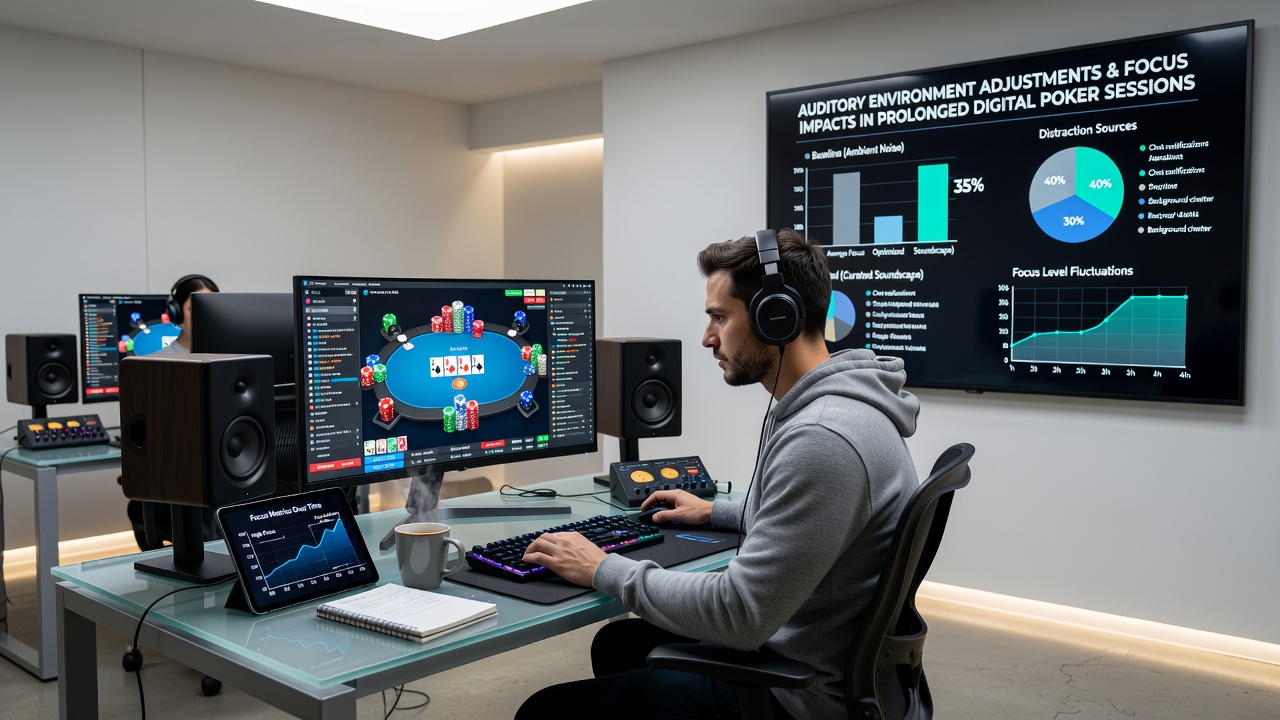
Digital poker platforms continue to expand participation numbers through 2026, and players who log extended hours at virtual tables encounter consistent challenges with maintaining concentration when auditory conditions shift. Researchers tracking session data have measured how deliberate changes to sound environments influence sustained attention, and multiple studies now link specific audio configurations to measurable differences in decision accuracy over four-hour or longer stretches.
Common Adjustments in Player Setups
Participants in online card rooms often experiment with noise-cancelling headphones, ambient sound generators, and selective music playlists while competing in multi-table formats. Data collected from platform telemetry shows that roughly 38 percent of users above 500 hands per session activate some form of audio modification, according to aggregated reports released in early 2026. These adjustments range from complete silence through active noise suppression to low-volume instrumental tracks or nature soundscapes that mask external household noise.
Equipment manufacturers have responded by embedding equalizer presets marketed toward card players, and software developers now include in-app toggles that let users route game audio separately from background tracks. Observers note that players who switch between these modes during a single session report different fatigue patterns compared with those who maintain static audio settings throughout.
Research Findings on Focus Metrics
Controlled trials conducted at university laboratories have quantified attention lapses during simulated poker tasks under varied sound conditions. One investigation published in the Journal of Cognitive Enhancement tracked error rates on bet-sizing decisions and found that white-noise conditions reduced missed value bets by 11 percent relative to open-room recordings of household sounds. Another project coordinated through the University of Sydney examined circadian-aligned sessions and documented slower reaction times when participants faced sudden auditory interruptions versus steady low-level background tones.
EEG readings collected during these experiments revealed shifts in theta-band activity that correlate with prolonged focus, and researchers observed more stable patterns when participants controlled their auditory input rather than relying on default device speakers. Figures released by the Canadian Centre on Substance Use and Addiction in a 2025 follow-up report further indicated that players who used structured audio environments completed more hands without deviation from pre-session strategy outlines.
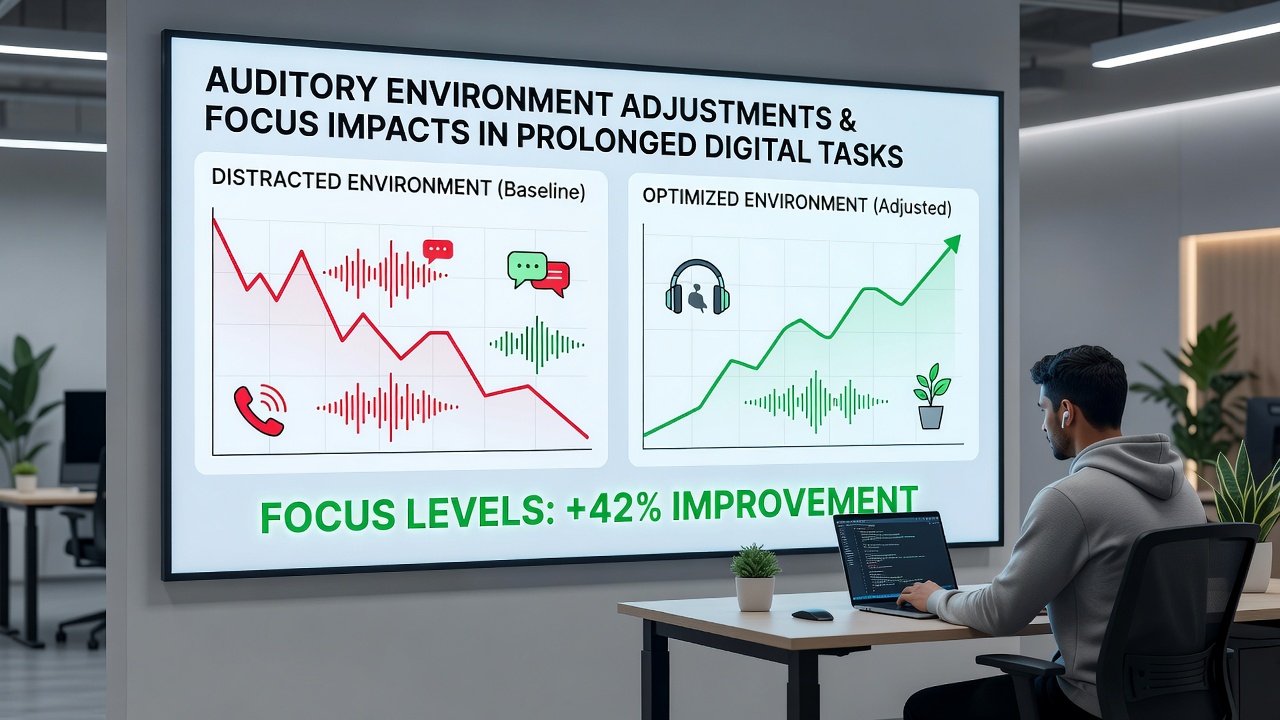
What's interesting is how these effects compound across time. Sessions exceeding six hours showed steeper declines in accuracy under variable noise conditions, whereas consistent auditory framing produced flatter performance curves. A separate analysis of European players during the July 2026 summer festival period confirmed similar trends when participants streamed live tournament audio alongside their own table action.
Implementation Patterns Across Platforms
Major operators have begun integrating optional sound profiles that users can schedule in advance, and telemetry from these features indicates higher retention among players who activate them consistently. Industry organizations such as the European Gaming and Betting Association have compiled anonymized datasets showing regional differences, with North American users favoring music overlays and Australian participants more frequently selecting silence or brown-noise options.
Hardware integrations continue to evolve as well. Wireless earbuds with transparency modes allow players to monitor external alerts without fully breaking concentration, and several manufacturers now advertise battery life sufficient for ten-hour sessions. Those who've studied usage logs note that players rarely stick with one setting across an entire month, instead cycling through three or four profiles depending on time of day and tournament structure.
Physiological Correlations and Measurement Tools
Wearable devices capable of tracking heart-rate variability have entered the market and provide another data stream for assessing how auditory choices affect arousal levels during extended play. Studies linking these biometrics to poker-specific outcomes remain limited, yet preliminary findings presented at the 2026 International Conference on Behavioral Addictions suggest that steady auditory environments stabilize both heart-rate variability and decision latency.
Platform analytics teams have started correlating these physiological markers with in-game statistics such as fold-to-three-bet percentages and river aggression frequency, creating richer datasets for future research. Government statistical agencies in several jurisdictions have begun requesting access to such combined data streams to better understand recreational digital gaming patterns.
Conclusion
Documented evidence continues to accumulate around the relationship between controlled auditory environments and sustained focus during lengthy digital poker sessions. Players, researchers, and platform developers each contribute pieces to an emerging picture that emphasizes consistency and personalization over any single universal solution. As measurement tools improve and datasets expand through 2026 and beyond, clearer guidelines for audio configuration will likely emerge from ongoing collaborative work across academic and industry channels.