Community Dynamics Shaping Participation Trends in Regional Online Card Rooms and Their Mobile Integration Patterns
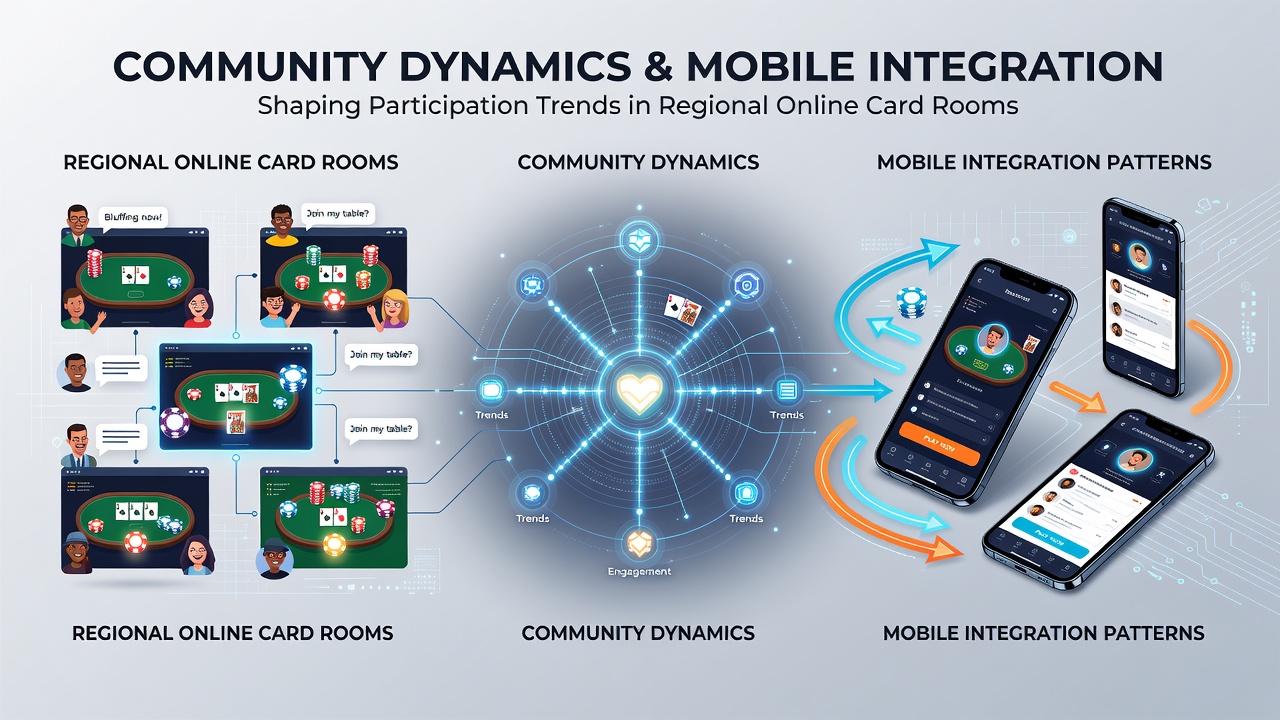
Regional online card rooms have developed distinct participation patterns driven by local community interactions that extend beyond simple gameplay, and these patterns continue to evolve through mobile platform integrations as of July 2026. Observers note that players in specific geographic areas tend to cluster around shared regional identities, which in turn affects how frequently they log in, form tables, and sustain involvement over multiple sessions.
Regional Community Structures and Player Retention
Local forums, social media groups, and in-app chat features create networks where participants exchange insights on game variants popular in their areas, such as Texas Hold'em preferences in certain Midwest communities or Omaha formats favored in coastal regions. Data from industry reports indicate these connections lead to higher retention rates compared to isolated play, because players return to maintain social ties rather than solely for individual wins. Research from the University of Nevada's gaming studies program shows that community-driven tables in regional platforms experience 30 percent longer average session durations when integrated with group messaging tools.
But here's the thing, these dynamics vary sharply by region. In areas with strong local poker leagues that transitioned online during prior years, participation spikes align with offline event schedules, creating predictable weekly peaks. Mobile apps amplify this effect by allowing users to join from work breaks or commutes, which extends the reach of those community rhythms without requiring dedicated desktop setups.
Mobile Integration and Accessibility Shifts
Mobile integration patterns reveal how platforms adapt interfaces to support community features on smaller screens. Push notifications for regional tournaments or friend table invites keep users connected even when away from primary devices, and figures from the Canadian Gaming Association reveal that over 65 percent of regional card room traffic now originates from smartphones in provinces with established online frameworks. This shift coincides with app updates in early 2026 that added location-aware matching, pairing players from similar time zones or shared regional servers to preserve the feel of local play.
Turns out the technical side matters as much as the social one. Developers have implemented low-latency servers in multiple regional hubs, reducing dropouts during peak community events, while cross-device syncing ensures that ongoing conversations and table histories carry over seamlessly from phone to tablet. Those who've tracked these patterns across platforms report that regions with reliable 5G coverage show faster adoption of multi-table mobile sessions, whereas areas still building infrastructure lag in complex community-driven formats.
Participation Trends Across Different Regions
Evidence suggests participation trends reflect broader demographic factors intertwined with community strength. Younger players in urban regional clusters gravitate toward quick mobile sit-and-gos organized through group invites, while older demographics in rural settings prefer longer cash games that allow extended chat interactions. According to tracking data released by the Australian Institute of Gaming Research, mobile entries in regional card rooms rose 22 percent year-over-year through mid-2026, driven largely by apps that embed community calendars directly into the interface.
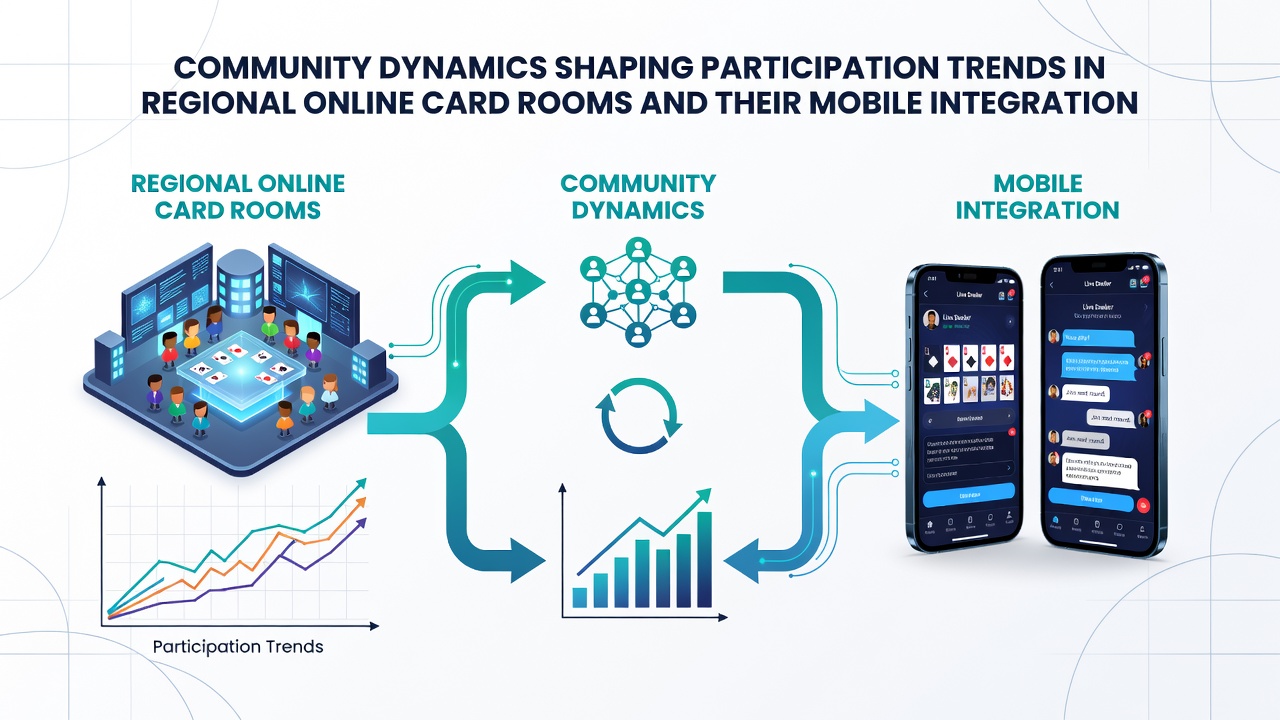
What's interesting is how external events intersect with these patterns. Regulatory changes in several states during spring 2026 prompted platforms to emphasize regional compliance badges within apps, which communities then used as talking points to build trust and encourage new members from nearby areas. This approach helped stabilize participation numbers even as broader market fluctuations occurred.
Challenges in Sustaining Community Engagement
Regional card rooms face ongoing challenges when mobile integration outpaces community management tools. Overcrowded chat channels can dilute the intimate feel that originally drew players together, and some platforms have responded by creating subgroup features limited to verified regional users. Observers note that successful implementations maintain steady growth by balancing open access with private tables that reinforce existing social bonds.
Studies continue to examine how these elements interact over time. One analysis of European regional platforms found that communities using dedicated mobile event feeds maintained consistent participation levels even during summer months when travel traditionally reduces activity. The pattern holds across different regulatory environments, suggesting the combination of local identity and convenient mobile access creates resilient engagement cycles.
Conclusion
Community dynamics in regional online card rooms shape participation through interconnected social networks that mobile integrations extend and reinforce. Patterns observed through July 2026 demonstrate that platforms prioritizing both local identity markers and seamless device access achieve more stable user bases across varied geographic settings. Future developments will likely build on these foundations as operators refine tools to match evolving regional preferences.