Decoding Retention Mechanics Through Integrated Loyalty Frameworks in Cross-Platform Digital Gaming Environments
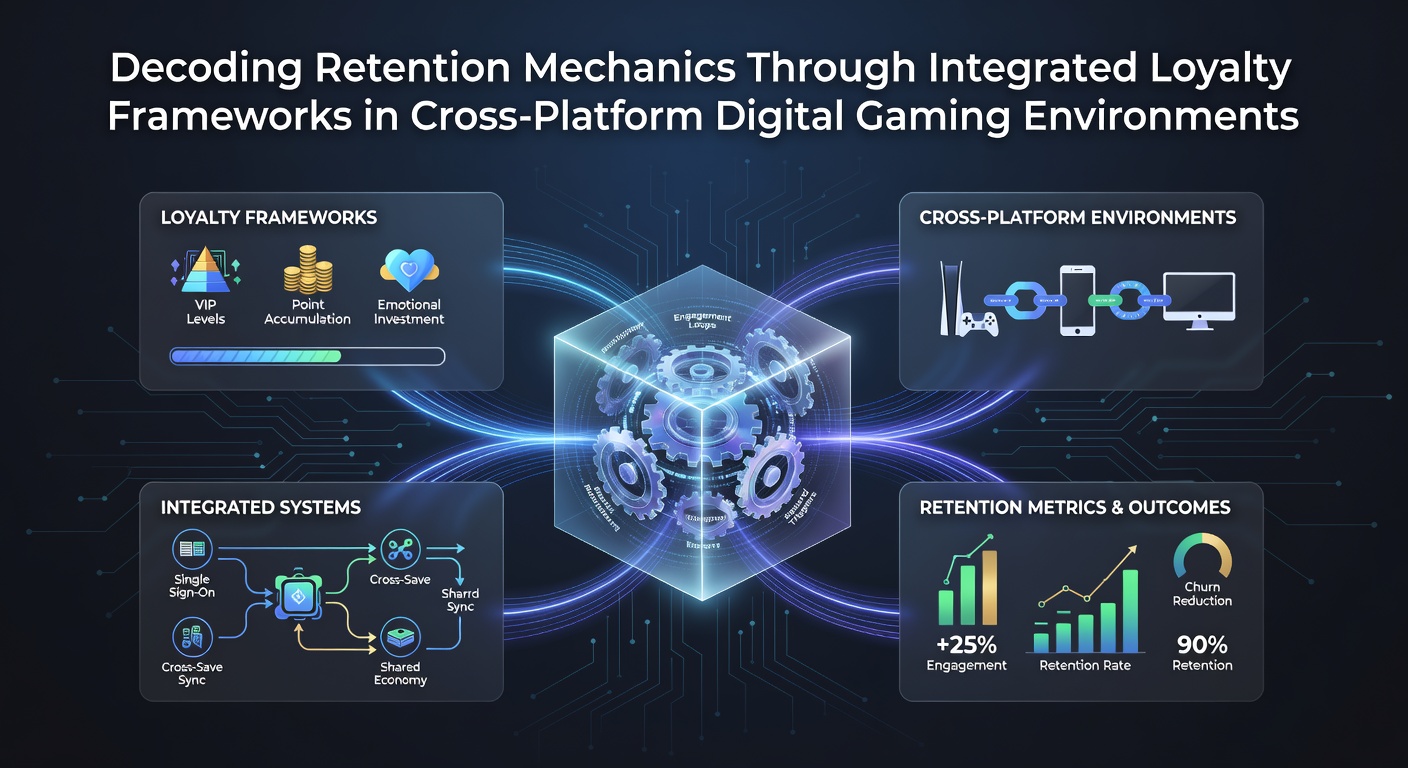
Retention mechanics in digital gaming have evolved into sophisticated systems that track player behavior across multiple devices and platforms, and integrated loyalty frameworks now serve as the backbone for sustaining engagement in an industry where user acquisition costs continue to climb. Developers and publishers deploy these frameworks to convert one-time downloads into long-term participation, with data from industry reports showing that games with unified loyalty programs retain users at rates up to 40 percent higher than those without cross-platform synchronization.
Core Components of Retention Mechanics
Retention mechanics operate through layered systems that combine daily rewards, progression tracking, and social integration, yet these elements only achieve maximum effect when linked through a single loyalty profile that follows the player regardless of whether they log in via mobile, console, or PC. Researchers at academic institutions have documented how seamless data transfer between platforms reduces friction points that typically cause drop-off, while reward structures adapt in real time based on individual play patterns collected from multiple sources. Those who study player databases note that frameworks incorporating both short-term incentives and long-term milestones maintain consistent activity levels across demographic groups, particularly when achievements earned on one device carry over without reset.
Cross-Platform Data Integration Challenges
Building these frameworks requires overcoming technical barriers around data privacy, account linking, and regional regulations, and companies that succeed often rely on standardized APIs to merge information from disparate ecosystems. According to reports from the Entertainment Software Association, cross-platform titles released in recent years demonstrate stronger retention curves when loyalty points accumulate universally rather than resetting per device. Observers note that synchronization issues arise most frequently during peak update cycles, but solutions involving cloud-based profiles have proven effective at minimizing disruptions for users who switch between environments frequently. What's interesting is how regulatory bodies in regions such as Australia and Canada have begun issuing guidelines that encourage transparent data practices in gaming loyalty systems without stifling innovation.
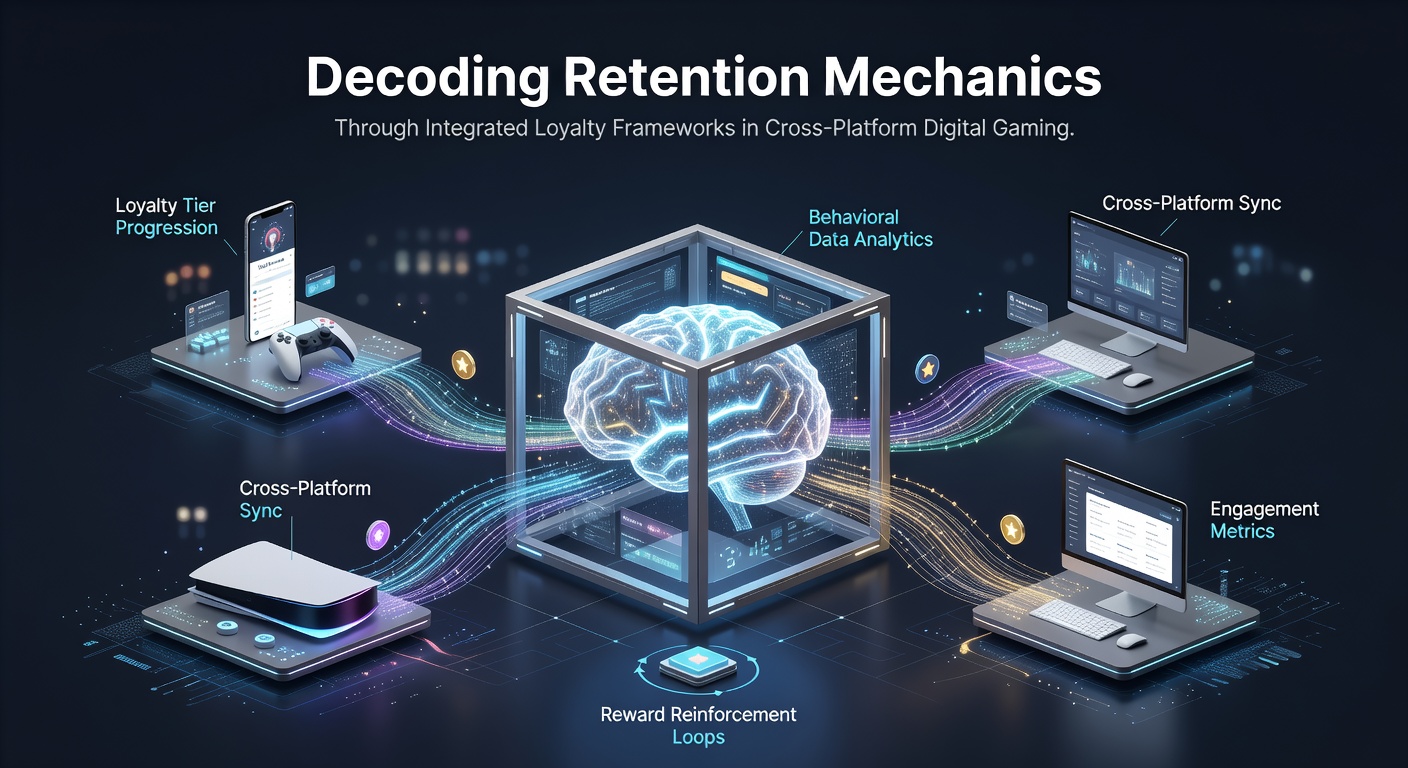
Evidence from multiple market analyses indicates that games supporting unified accounts see reduced churn during major content drops, because players maintain access to accumulated rewards even if they change primary hardware. In June 2026 several major titles introduced enhanced loyalty tiers that span PC, console, and mobile, allowing participants to earn exclusive cosmetics and currency through combined playtime tracked centrally.
Case Examples from Major Titles
Take one major battle royale franchise that expanded its loyalty program to include cross-progression in early 2026, and data showed a measurable uptick in weekly active users who previously engaged only on a single platform. Another example comes from a popular mobile strategy series that partnered with console developers to create shared events, resulting in players completing objectives across devices to unlock higher reward brackets. Those who've examined participation logs find that integrated frameworks encourage experimentation with different platforms, since progress remains protected and visible regardless of entry point. Industry organizations tracking these trends report that titles without such integration experience steeper declines after initial launch windows compared to those that prioritize unified loyalty structures.
Measurement and Optimization Techniques
Analytics teams rely on cohort analysis and lifetime value calculations to refine loyalty parameters, and successful implementations adjust reward frequency based on aggregated behavioral signals gathered from every supported platform. Figures reveal that personalization within these frameworks increases session length when offers align with demonstrated preferences rather than generic incentives. Researchers continue to explore machine learning applications that predict at-risk users and trigger targeted loyalty boosts before disengagement occurs. The reality is that platforms offering flexible redemption options across ecosystems maintain higher satisfaction scores in user surveys conducted by independent research firms.
Conclusion
Integrated loyalty frameworks represent a fundamental shift in how retention mechanics function within cross-platform digital gaming, and continued refinement of these systems will shape player habits through the remainder of 2026 and beyond. Data consistently shows that unified approaches deliver measurable improvements in sustained engagement when implemented with attention to technical compatibility and regulatory compliance. As more titles adopt these methods, the industry moves toward environments where player investment persists across every device and session.