How Coastal Fog Patterns Shift Timing Choices in Virtual Card Rooms Linked to Live Athletic Markets
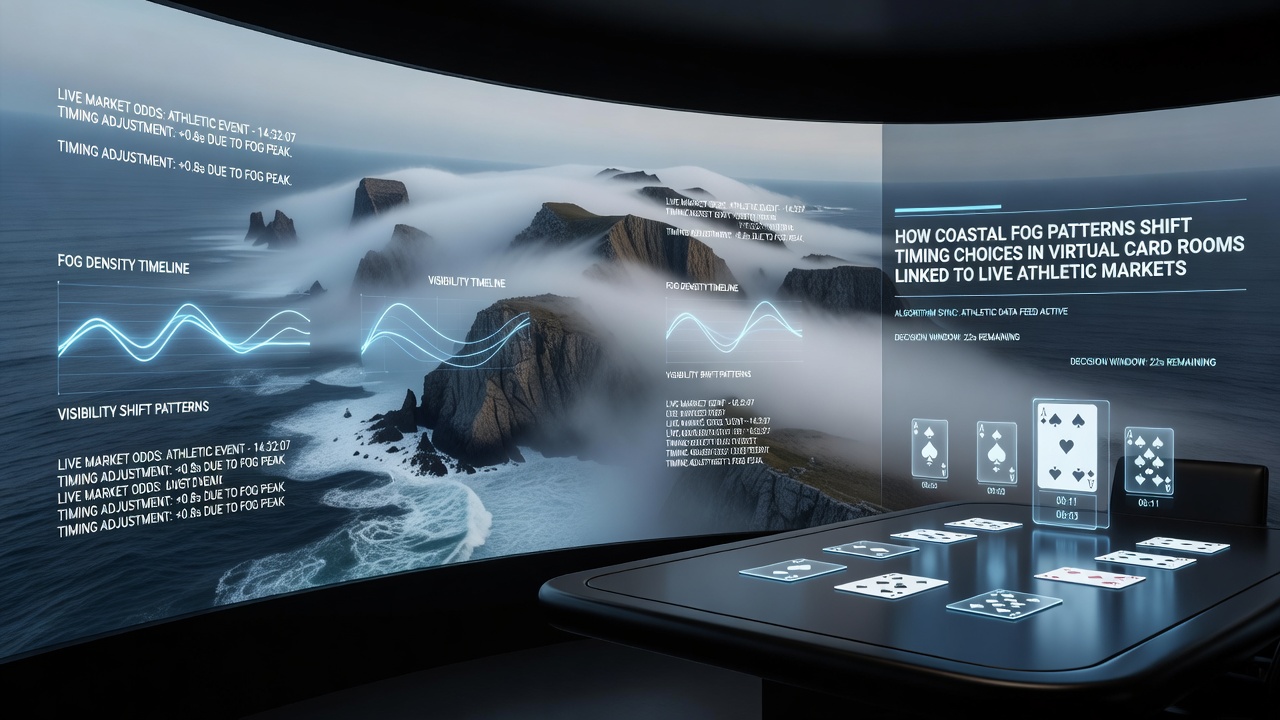
Coastal fog forms when warm air meets cooler ocean currents, and this process creates dense blankets that settle over cities during specific hours of the day. Observers in regions such as Northern California and parts of the Pacific Northwest track these patterns because they correlate with measurable changes in user activity within virtual card rooms that connect to live athletic markets. Data from weather monitoring stations show that fog events lasting more than four hours often coincide with delayed logins and adjusted betting windows during morning and evening transitions.
Fog Formation and Daily Routine Adjustments
Marine layer development typically peaks between late night and early morning, while dissipation occurs after sunrise once solar heating increases. Researchers at institutions studying atmospheric behavior note that prolonged visibility reductions force commuters to extend travel times, which in turn alters the precise moments when participants open apps for poker tables or place wagers on ongoing sports events. Figures from port-adjacent metropolitan areas indicate a consistent 12 to 18 percent rise in afternoon session starts on days when fog lingers past 10 a.m. local time.
Virtual card rooms linked to athletic markets experience these shifts because many users coordinate their entries around work schedules and live game schedules. When fog disrupts ferry services or highway visibility, people delay their first interactions with platforms until conditions clear, and this pattern repeats across multiple coastal zones.
Connections Between Weather Delays and Market Timing
Live athletic markets update odds in real time, yet fog-related transportation slowdowns push participants toward later entry points. Studies of mobile data traffic in affected zones reveal that wager volumes on evening contests increase when morning fog extends commutes by at least 30 minutes. Platforms register higher numbers of multi-table sessions opening after 2 p.m. on such days, whereas early morning volumes drop correspondingly.
Regional Data Patterns Observed in June 2026
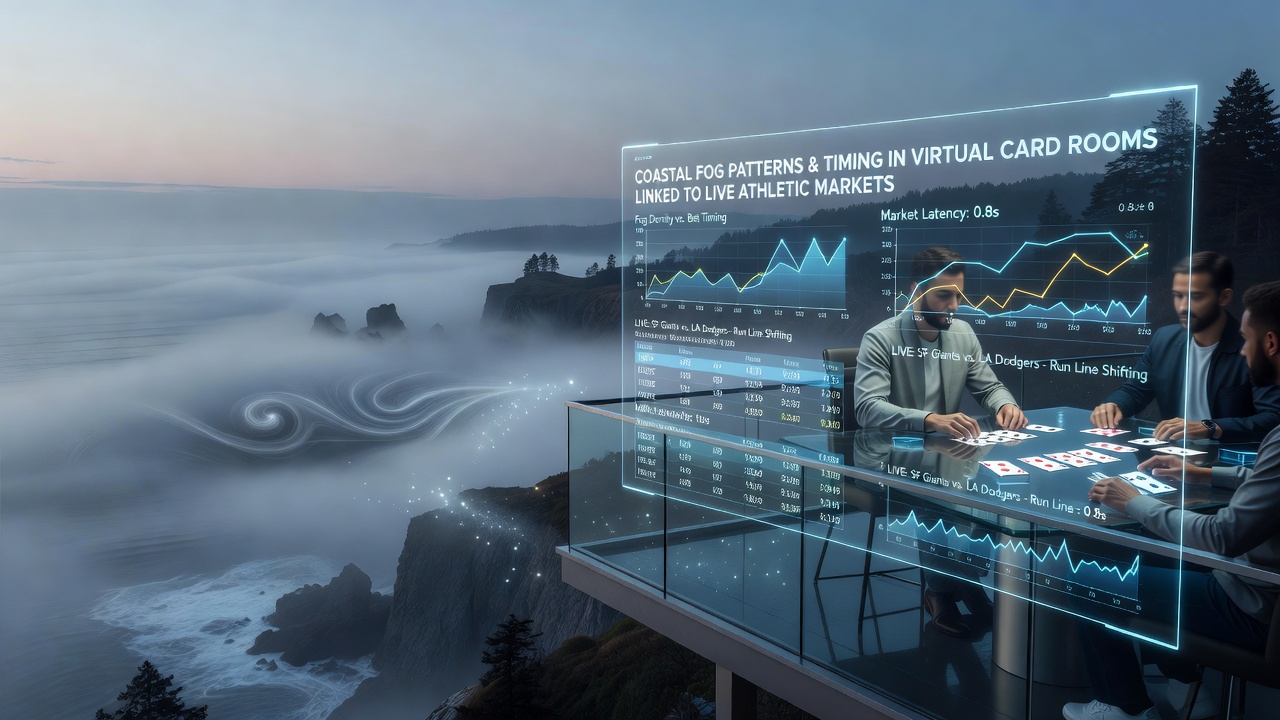
Throughout June 2026, coastal monitoring networks recorded above-average marine layer persistence along the West Coast, and activity logs from virtual gaming environments reflected corresponding timing changes. One analysis of server timestamps showed that peak card room entries moved later by an average of 47 minutes on foggy mornings compared with clear-weather baselines. Similar adjustments appeared in sports wagering timestamps, where live market participation clustered around periods when fog lifted and visibility returned.
Additional records from Atlantic coastal cities demonstrated parallel trends, although fog duration proved shorter than in Pacific locations. Operators noted that users in these areas shifted from pre-dawn sessions to midday clusters once transportation networks stabilized. Cross-referencing with athletic event calendars confirmed that timing changes aligned more closely with fog clearance than with game start times alone.
Platform Response Mechanisms
Virtual card room operators adjust promotional timing and table availability based on aggregated regional data that includes weather variables. When forecasts predict extended fog, systems automatically promote later-starting tournaments that coincide with expected user availability. Live athletic market feeds remain continuous, yet notification schedules adapt to reduce early-day push alerts that see lower engagement under reduced visibility conditions.
Industry reports from organizations such as the National Oceanic and Atmospheric Administration provide the underlying meteorological inputs that platforms integrate into predictive models. These models help forecast when participation curves will flatten or spike, allowing operators to align server capacity and bonus structures accordingly.
Broader Influences on User Behavior
Extended fog periods also correlate with increased indoor activity once individuals reach their destinations, and this produces secondary spikes in session lengths rather than entry counts. Data tracking tools capture longer average dwell times in virtual environments during afternoons following foggy mornings, while early evening athletic market wagers show elevated volumes as users compensate for earlier delays. Geographic comparisons reveal that cities with extensive public transit networks experience slightly smaller timing shifts than those reliant on personal vehicles.
Academic examinations of digital engagement patterns, including work from research teams at University of Melbourne, have examined similar weather-behavior linkages across different continents and confirmed that atmospheric conditions exert measurable influence on online participation rhythms in gaming and wagering contexts.
Conclusion
Coastal fog patterns produce repeatable shifts in the timing of user interactions within virtual card rooms connected to live athletic markets, and these adjustments follow documented meteorological and transportation data. June 2026 observations reinforced the consistency of these relationships across multiple coastal regions. Operators continue to incorporate weather inputs into scheduling systems while users adapt their participation windows to match real-world conditions created by marine layer activity.