Linking Sleep Patterns from Wearables to Results in Extended Digital Poker Tournaments
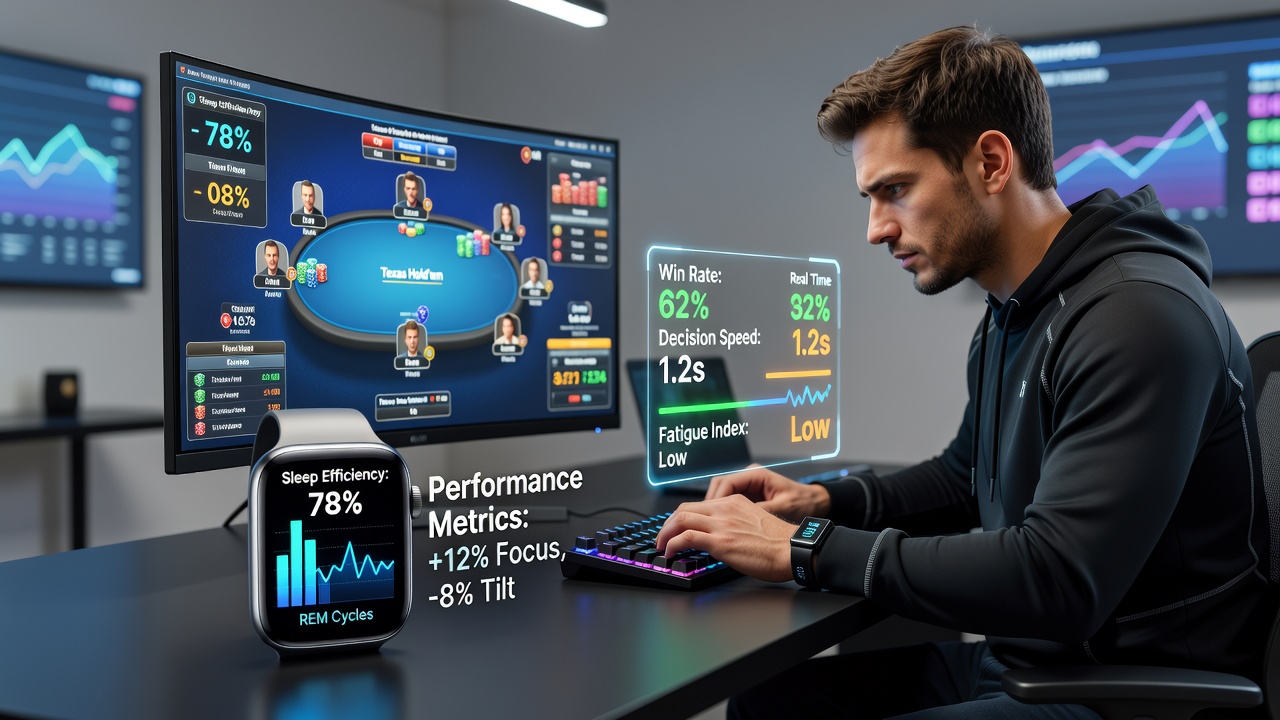
Digital poker competitions that stretch across multiple days have drawn increasing attention from researchers who track how rest patterns influence player decisions, and wearable devices now supply continuous streams of sleep data that align with performance records pulled from tournament software. Observers note that participants in events lasting 12 hours or more often log metrics such as total sleep time, rapid eye movement cycles, heart rate variability, and nightly awakenings through devices including Oura rings and various fitness bands.
Wearable Metrics and Cognitive Load in Poker
Extended sessions place sustained demands on attention, probabilistic reasoning, and emotional regulation while players manage bankrolls and read opponents through limited visual cues. Researchers have matched these demands against sleep variables because fragmented rest tends to elevate reaction times and reduce accuracy in pattern recognition tasks that mirror the calculations required at virtual tables. Data collected during major online series shows that players averaging under six hours of sleep per night recorded higher fold frequencies on marginal hands compared with those who maintained seven to eight hours across consecutive nights.
Methods for Aligning Sleep Records with Tournament Outputs
Analysts combine exported sleep summaries from wearable applications with hand histories exported from poker platforms to create paired datasets that cover thousands of decisions per participant. Statistical models then test associations between preceding sleep scores and subsequent metrics such as expected value per hand, aggression frequency, and error rates identified through solver comparisons. Studies released in July 2026 incorporated data from over 400 players across three different multi-day online events and applied mixed-effects regression to account for individual differences in baseline skill and experience levels.
One research team cross-referenced timestamps from wearable logs with session start and end times to isolate sleep periods immediately before each tournament day, while another group examined cumulative sleep debt across entire competition weeks. Both approaches revealed consistent directional patterns without claiming causation.
Patterns Observed Across Recent Competitions
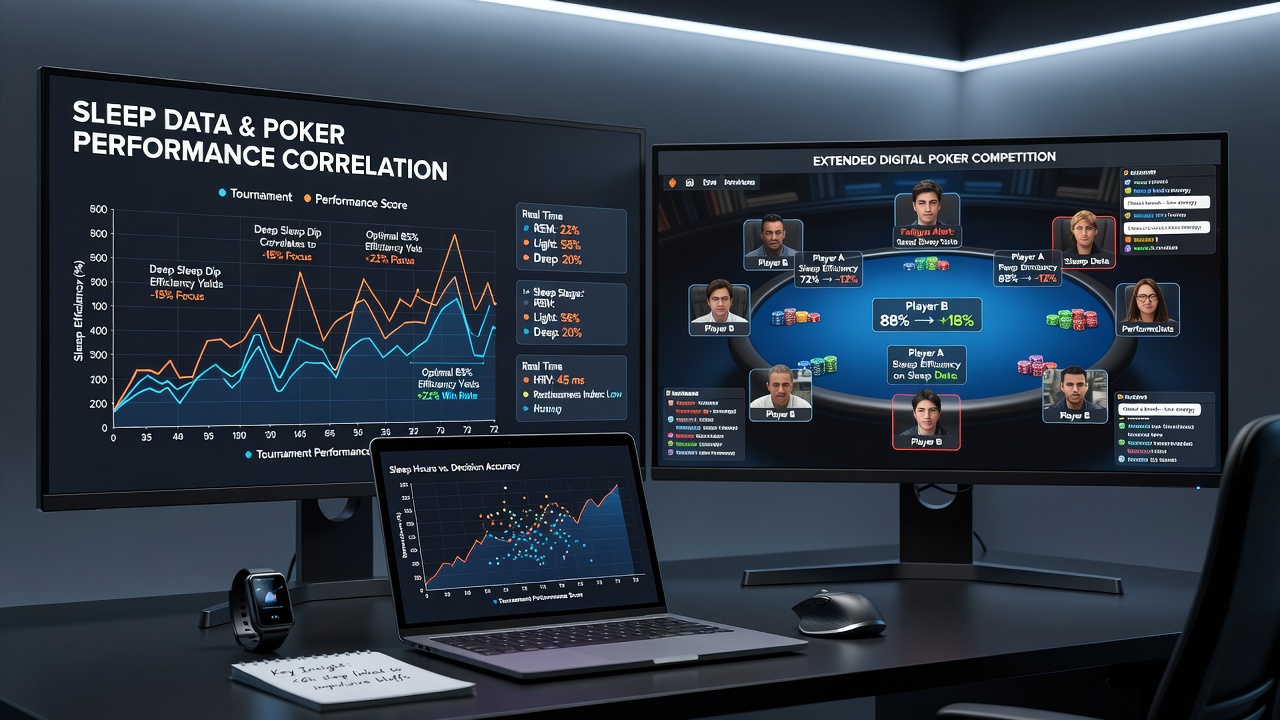
Figures released by academic groups indicate that nights with elevated deep sleep percentages corresponded to lower deviation from optimal bet sizing in later stages of play, whereas increased nighttime awakenings aligned with more frequent calls on river bets that solver output later flagged as negative expected value. Participants who maintained stable heart rate variability readings throughout the night also posted steadier win rates during heads-up portions of events, although variance remained high across the full sample.
Regional differences appear in available datasets, with North American players showing slightly stronger associations between total sleep time and chip accumulation rates while European cohorts displayed tighter links between REM duration and bluff success frequency. Australian regulatory reports on online gaming participation have begun requesting aggregated wellness indicators from operators, yet individual sleep data remains protected under privacy frameworks in most jurisdictions.
Integration with Existing Tracking Tools
Many serious competitors already employ heads-up displays and database software that record every action during play, and adding wearable exports requires only routine file imports followed by time-zone alignment. Several third-party analytics services now offer optional sleep overlays that flag sessions following nights of reduced rest, allowing users to review historical trends without manual calculation. Industry organizations such as the European Gaming and Betting Association have published guidelines on responsible data handling when operators consider incorporating wellness metrics into player dashboards.
Those who examined multi-week samples found that performance dips became detectable after two consecutive nights below personal sleep baselines, yet recovery occurred rapidly once sleep duration returned to typical ranges for the individual. Poker training sites have started referencing these aggregated findings when discussing session length recommendations, although they stop short of prescribing specific wearable models.
Future Data Collection and Reporting Standards
Longer-term monitoring projects now under discussion would collect continuous streams from wearables across entire festival calendars rather than isolated events, which could clarify whether seasonal changes in sleep architecture affect outcomes in recurring online leagues. University-affiliated researchers have proposed open-source protocols for anonymized data sharing that preserve player privacy while enabling larger sample sizes across geographic regions.
Current evidence remains correlational, and confounding variables such as caffeine intake, screen exposure before bed, and travel schedules between time zones continue to receive attention in ongoing analyses. Nevertheless, the growing availability of granular sleep metrics has supplied poker researchers with a new quantitative layer that complements existing behavioral datasets.
Conclusion
Correlations between wearable-derived sleep variables and poker performance indicators have emerged consistently across multiple 2026 datasets, particularly in competitions that extend beyond single-day formats. Continued refinement of matching techniques and broader participation in data-sharing initiatives will likely sharpen the precision of these associations while respecting established privacy boundaries.