Live Event Streaming Fuels Spikes in Real-Time Sports Betting Activity
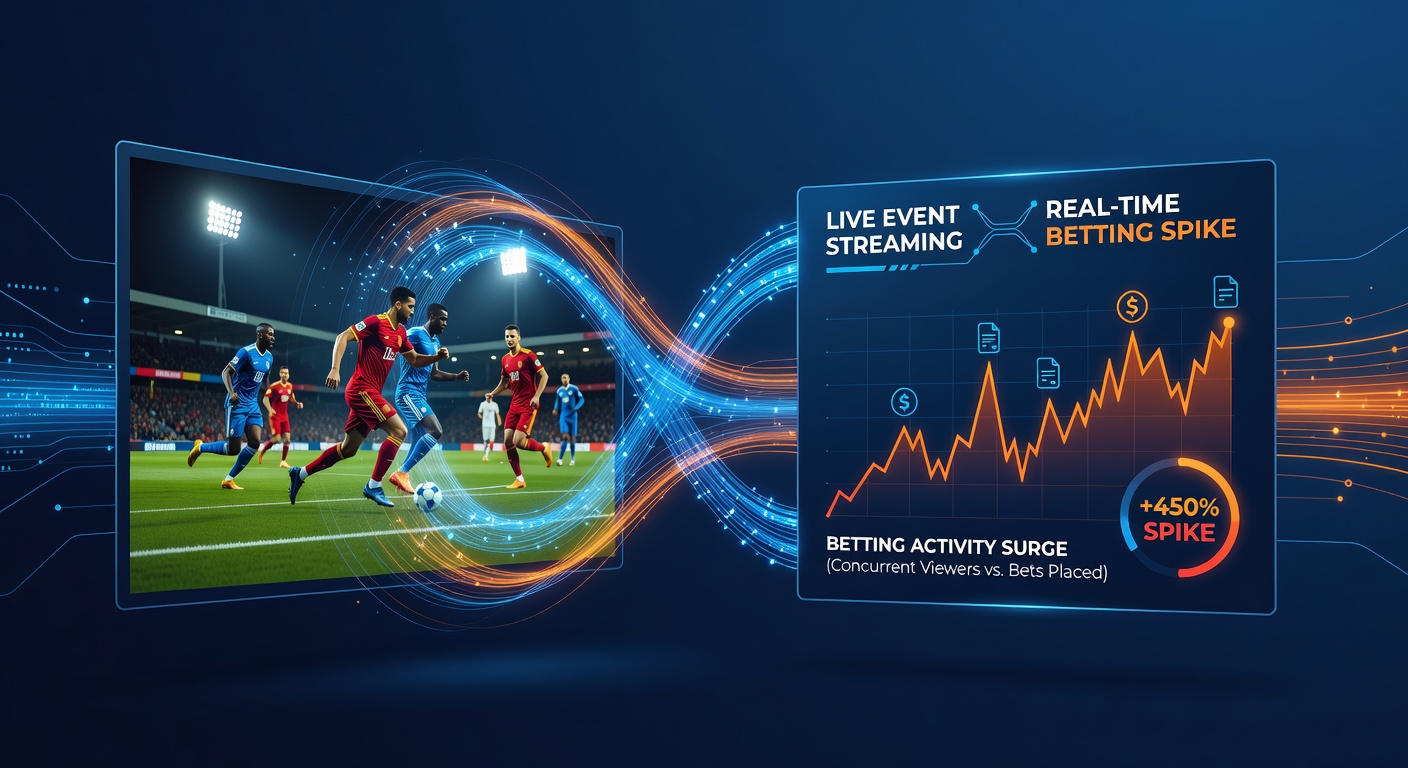
Live event streaming platforms have created direct pathways for viewers to engage with athletic competitions through integrated betting features, and data from multiple markets shows measurable increases in wager volume during broadcast windows. Platforms that deliver simultaneous video feeds and betting interfaces allow users to place bets on outcomes as events unfold, which aligns with observed patterns where betting activity rises sharply once streams begin.
Research from university studies on media consumption indicates that audiences who watch events in real time demonstrate higher rates of in-play betting compared to those who follow delayed highlights or post-event recaps. This connection appears because streaming reduces the time between observation and action, letting bettors respond to developing plays without leaving the viewing environment.
Mechanisms Driving the Connection
Streaming services often embed odds displays, quick-bet buttons, and live statistics alongside the video player, which streamlines the process from viewing to wagering. When these tools operate in sync with game action, bettors can adjust positions on player performance metrics or team totals while the competition continues, and transaction logs from operators confirm clusters of activity that coincide with key moments such as goals, timeouts, or scoring runs.
What's interesting is how mobile delivery amplifies this effect, since many viewers access streams on the same devices they use for betting accounts. Data shows simultaneous usage peaks when events reach high-drama segments, and operators have adjusted server capacity to handle the combined load of video delivery and transaction processing during those intervals.
Geographic and Regulatory Context in 2026
In regions with established online betting frameworks, regulatory bodies track these correlations through required reporting. The Alcohol and Gaming Commission of Ontario has documented periods where live streaming access coincided with elevated in-play volumes across multiple sports, while similar patterns appear in reports from the Massachusetts Gaming Commission during major league seasons. These observations hold even after accounting for overall market growth, suggesting streaming acts as an accelerator rather than the sole driver.
European markets provide additional examples where streaming partnerships between leagues and betting platforms have produced measurable upticks. Observers note that leagues scheduling events during prime viewing hours see stronger alignment between stream viewership numbers and real-time bet counts, particularly when multi-camera feeds and data overlays keep audiences engaged for longer durations.
Event-Specific Patterns and Data Trends
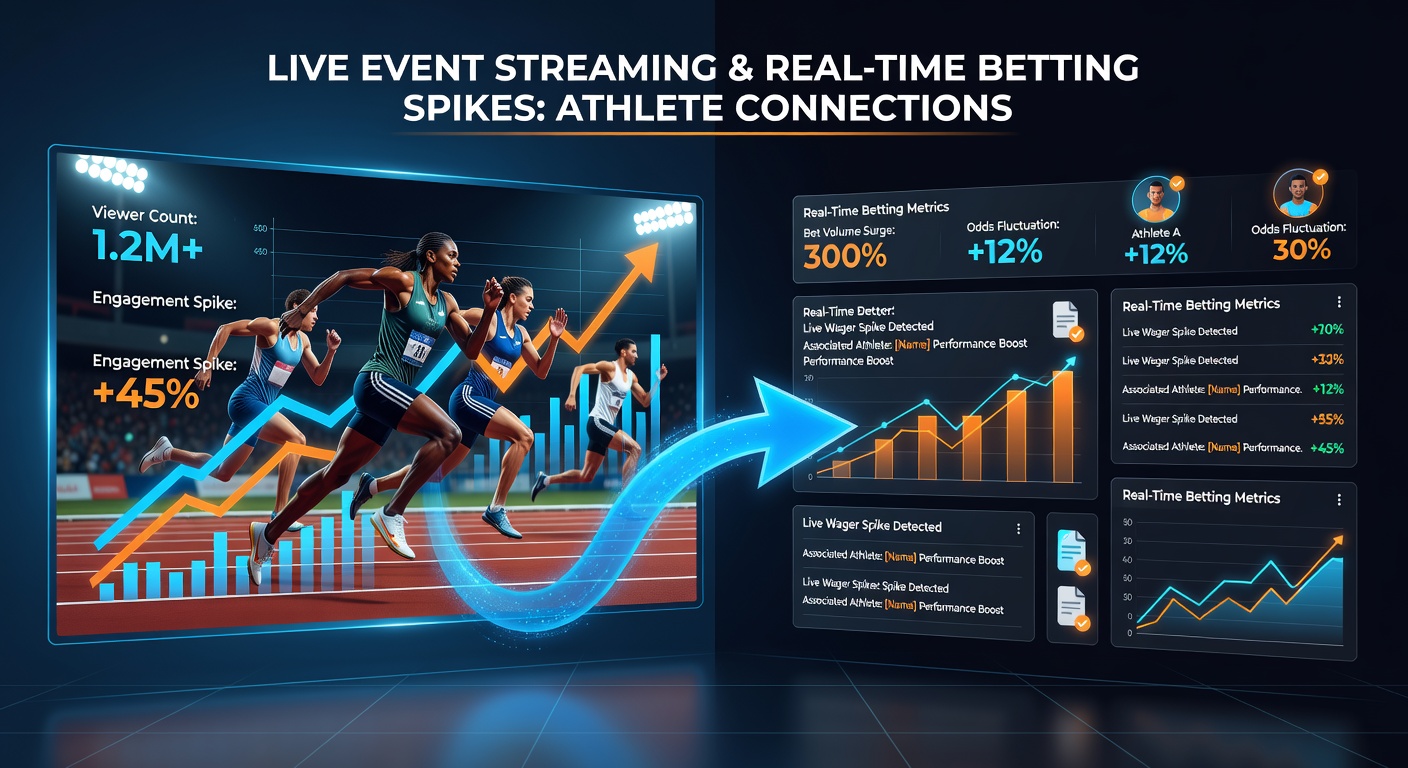
Case studies of individual competitions reveal consistent timing between stream initiation and betting surges. One analysis of basketball games found that wagers on next-possession outcomes increased within minutes of the stream going live, while football matches showed spikes in goal-related markets during extended highlights or injury stoppages. These patterns repeat across seasons, and analysts attribute the consistency to the continuous information flow that streaming provides.
Industry reports further indicate that promotional incentives tied to live streams, such as boosted odds available only during broadcast, contribute additional volume. Yet the baseline increase persists even without promotions, pointing to the fundamental role of simultaneous access. In May 2026, several major competitions aligned with expanded streaming rights deals, and early figures from operators reflected corresponding rises in real-time activity during those windows.
Technological and Platform Factors
Advances in low-latency streaming have narrowed the gap between on-site action and remote viewing, which in turn supports faster betting decisions. Platforms that maintain sub-second delays allow bettors to react to developments almost as quickly as those present at venues, and this technical improvement correlates with higher transaction rates during fast-paced segments of games.
Integration with second-screen experiences also plays a role, where users keep the main event on one device while managing bets on another. Researchers have tracked how this setup sustains attention across longer matches and produces steadier betting flows rather than isolated bursts, though the overall volume still shows clear elevation compared to non-streamed events.
Conclusion
The documented links between live event streaming and real-time betting activity rest on observable timing patterns, platform design choices, and regulatory data from multiple jurisdictions. As streaming infrastructure continues to expand and integrate more deeply with betting systems, these connections are expected to remain central to how audiences interact with athletic competitions throughout 2026 and beyond.