Mapping Connections Between Regional Harvest Cycles and Liquidity Shifts in Rural Online Sportsbooks Across Agricultural Zones
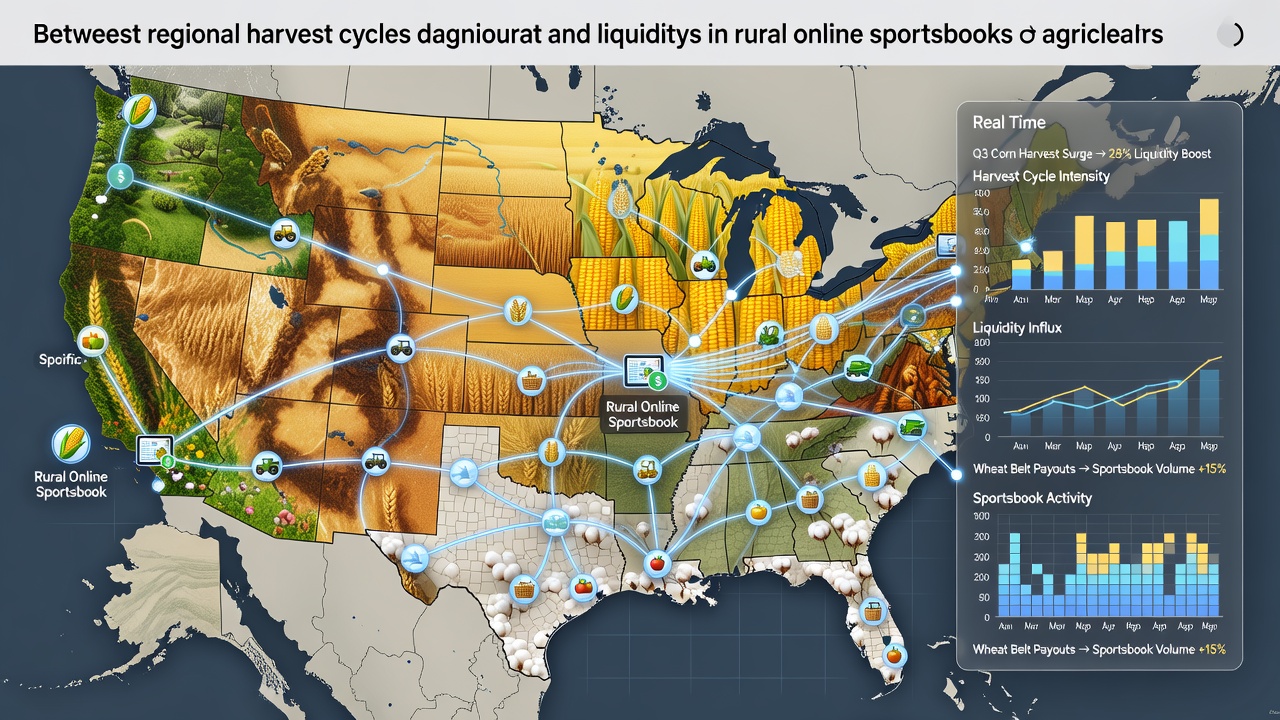
Regional harvest cycles create measurable patterns in cash flow across agricultural communities, and those patterns appear in the transaction volumes of rural online sportsbooks. Farmers and seasonal workers receive payments tied to crop sales, equipment financing, and government subsidies, then direct portions of that capital into digital wagering accounts during specific windows each year. Observers tracking these movements note consistent spikes that align with harvest completion dates rather than traditional sports calendars.
Harvest Timing and Regional Cash Inflows
Grain belts in the central United States finish major corn and soybean harvests between late September and November, while wheat regions in the northern plains complete operations earlier in summer. Australian wheat and canola zones follow an opposite schedule with peak activity from October through December. Data from the USDA crop progress reports show that farm income deposits rise sharply in the weeks immediately following harvest, and researchers have documented corresponding increases in digital payment inflows to betting platforms serving those same zip codes.
July 2026 offered a useful mid-year reference point for southern hemisphere zones. Australian Bureau of Agricultural and Resource Economics figures indicated that winter crop payments reached accounts in New South Wales and Victoria during that month, creating liquidity windows distinct from northern summer patterns. Those deposits coincided with elevated activity in sportsbooks focused on rugby league and Australian rules football markets.
Liquidity Indicators in Rural Sportsbooks
Online sportsbooks measure liquidity through metrics such as average bet size, deposit frequency, and withdrawal velocity. Rural operators serving agricultural postcodes report that average deposit amounts increase by measurable percentages in the four to six weeks after local harvest deadlines. Withdrawal requests often follow within ten days, suggesting short-term deployment of seasonal income rather than long-term accumulation. These shifts differ from urban markets where activity tracks payroll cycles more closely.
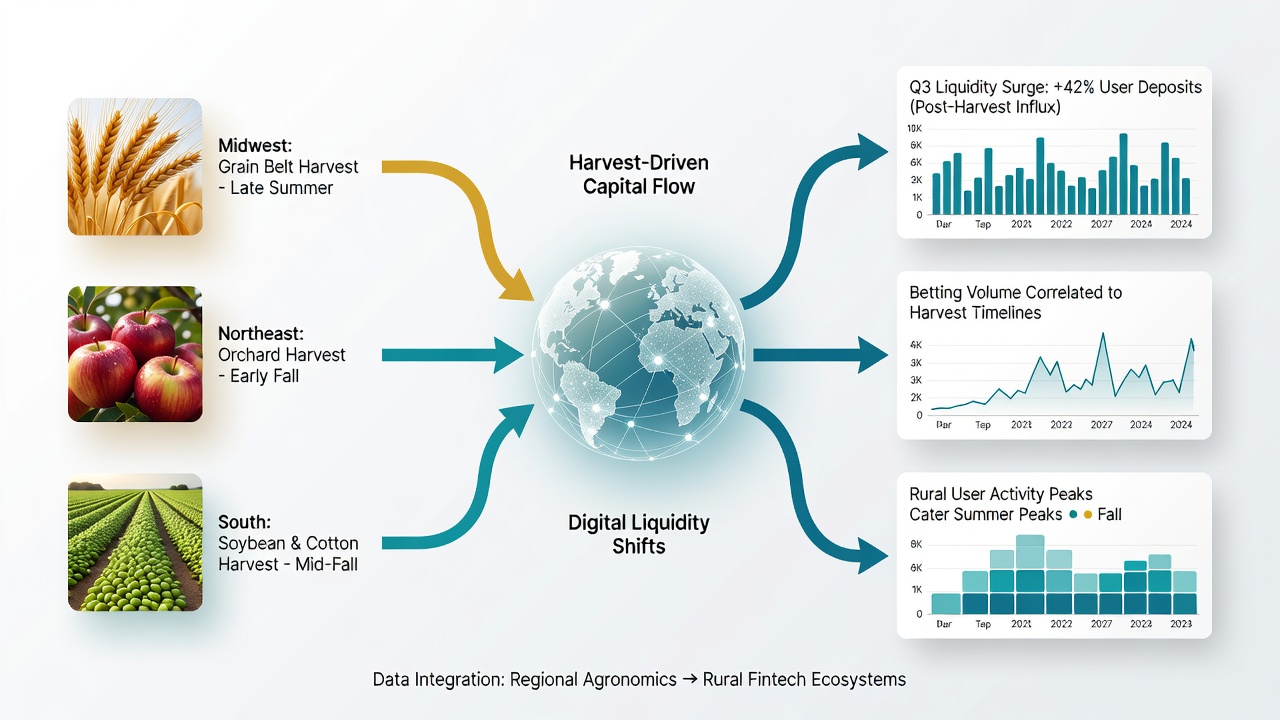
Payment processor records shared in industry briefings reveal that rural users in the American Midwest and Canadian prairies exhibit higher variance in weekly transaction counts during harvest months compared with non-agricultural control groups. The variance narrows once equipment loans and input purchases are settled, typically by early winter.
Cross-Zone Mapping Methods
Analysts combine satellite crop maturity data with anonymized transaction timestamps to build correlation models. One approach overlays USDA county-level harvest completion percentages against sportsbook geofenced activity reports. Another method uses Canadian provincial agricultural ministry calendars to test whether similar alignments appear north of the border. Both exercises produce overlapping peaks, although the magnitude of liquidity change varies by crop type and farm size distribution.
European Union agricultural statistics provide additional test cases. Eastern European grain regions finish harvests later than western zones, and preliminary transaction mapping shows delayed but proportionally similar liquidity movements in local online platforms. Researchers note that these patterns hold after controlling for major sporting events such as international tournaments or league finals.
Payment Infrastructure and Timing Factors
Rural broadband improvements have reduced friction in mobile deposits, allowing users to act on available funds more quickly than in previous seasons. Banks serving agricultural clients often accelerate harvest proceeds through interim financing, which can advance liquidity by several weeks. Sportsbook operators adjust promotional calendars to coincide with these known windows, although regulatory restrictions in certain jurisdictions limit the timing of targeted offers.
Those who study these intersections point out that weather events introduce additional variables. Drought declarations or early frosts alter expected payment dates, and corresponding dips in betting activity appear in the same regions within days of revised harvest forecasts. The relationship remains directional rather than perfectly predictive.
Conclusion
Harvest cycles supply a recurring external driver that influences liquidity patterns in rural online sportsbooks. Mapping exercises using government agricultural calendars and platform transaction data demonstrate consistent alignments across multiple continents and crop types. Continued collection of anonymized regional data will allow more precise models while respecting privacy standards and regulatory requirements in each jurisdiction.