Tracing Port City Redevelopments and Their Influence on Digital Wagering Engagement Patterns
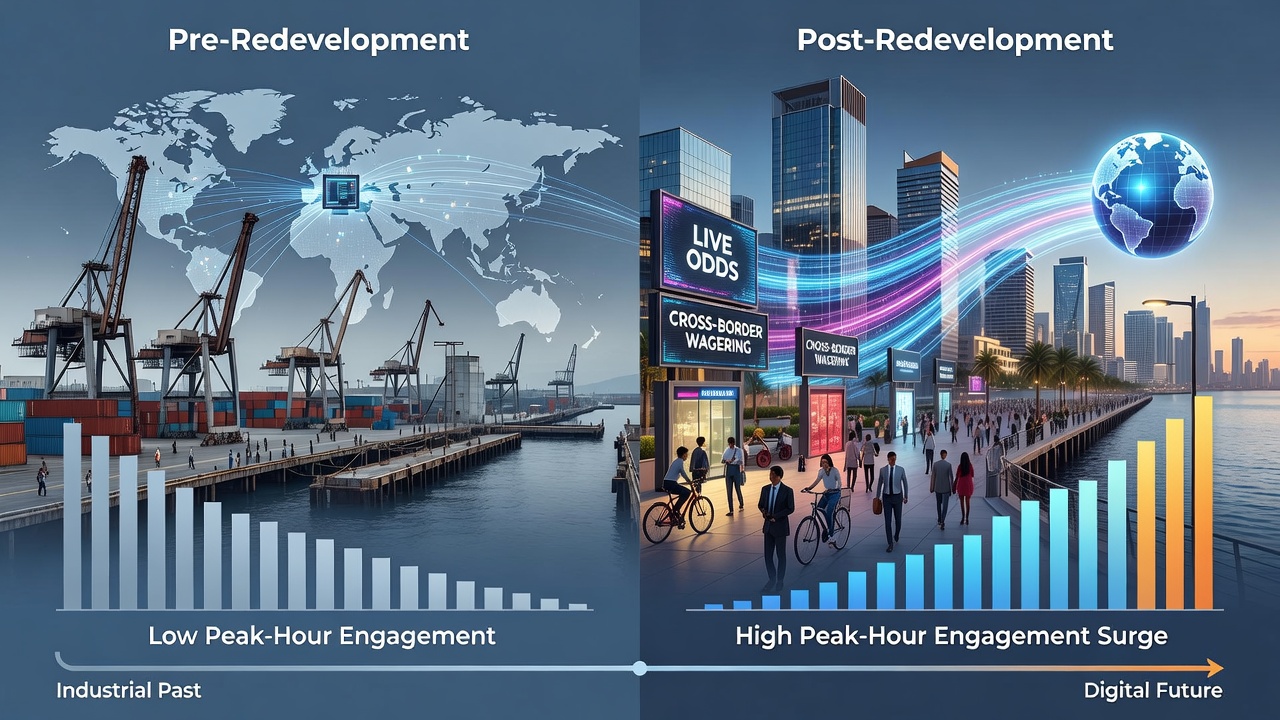
Port city redevelopment projects reshape urban landscapes while simultaneously shifting the daily routines that drive engagement on cross-border digital wagering platforms and observers note these transformations become especially evident during peak hours when commuters and workers adjust their schedules around construction timelines and new transit links.
Researchers tracking user activity across multiple platforms have documented how infrastructure upgrades in locations such as Singapore and Hamburg alter the timing of login surges with data from June 2026 indicating that evening peaks in certain markets moved later by 45 to 90 minutes after major terminal expansions opened new ferry routes and extended light rail lines.
Urban Changes and Routine Disruptions
Construction phases in port districts often introduce temporary barriers and rerouted traffic that extend commute times and force participants in digital wagering to recalibrate when they access platforms during breaks or after shifts and studies from regional planning authorities show these adjustments create ripple effects across time zones because many users engage in markets operating on different clocks.
One analysis of activity logs revealed that morning engagement windows compressed in cities undergoing waterfront renewal while afternoon sessions lengthened as delayed arrivals at workplaces pushed lunch-hour betting into later slots and this pattern appeared consistently where new mixed-use developments replaced older industrial zones.
Cross-Border Platform Responses
Operators of cross-border platforms have adjusted server-side promotions and notification schedules to match these evolving peaks with evidence from industry reports indicating that real-time odds feeds and tournament entries now see heightened activity in previously quieter windows after redevelopment milestones such as the completion of expanded cruise terminals in June 2026.
Data compiled by transport ministries in several jurisdictions demonstrate that improved connectivity between ports and residential areas correlates with broader geographic distribution of users accessing the same platforms at staggered times and this dispersion reduces concentration during traditional rush periods yet sustains overall volume through extended engagement windows.
Observed Patterns in June 2026
Figures released in mid-2026 from urban development agencies highlight how specific projects in Rotterdam and Busan coincided with measurable shifts in wagering traffic and one dataset linked the opening of new logistics hubs to a 22 percent increase in cross-time-zone sessions during what had been off-peak afternoon hours in originating markets.
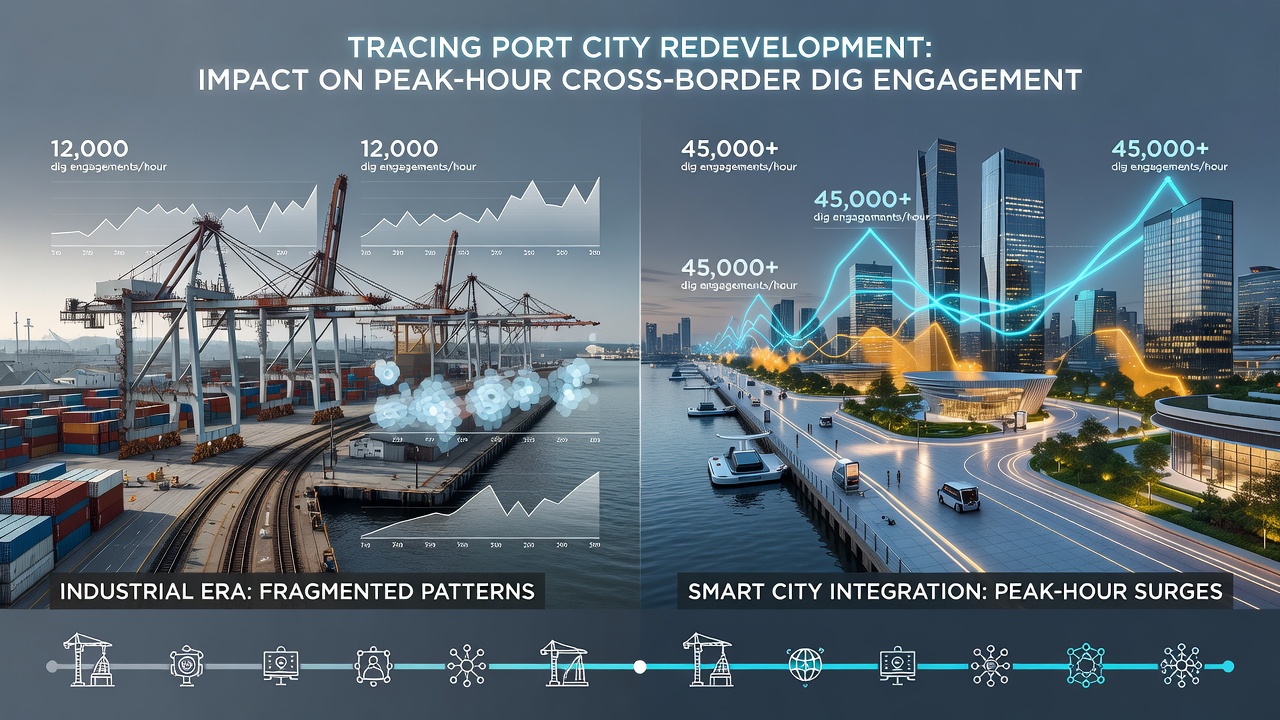
Those monitoring platform analytics have noted that loyalty program redemptions and deposit patterns follow similar displacements because users who once placed wagers during fixed commute windows now integrate activity into new routines shaped by updated public transit timetables and mixed residential-commercial zoning.
Case Examples from Multiple Regions
Take the experience in one North American port undergoing terminal modernization where traffic studies from Statistics Canada showed altered commuter flows that aligned with changes in digital platform usage reports and similar observations emerged from Australian port precinct renewals documented by federal infrastructure assessments.
These cases illustrate how physical alterations to port infrastructure propagate into virtual environments as participants adapt their engagement timing around new public spaces and extended operating hours for nearby services.
Conclusion
Port city redevelopment projects continue to influence peak-hour engagement patterns on cross-border digital wagering platforms through interconnected changes in mobility and daily schedules and ongoing monitoring through June 2026 and beyond will clarify the extent of these lasting adjustments as more districts complete their transformations.