Uncovering Links Between Circadian Rhythm Disruptions and Decision Patterns Among Frequent Participants in Global Digital Card Rooms

Global digital card rooms operate around the clock and draw participants from every continent, which creates schedules that often clash with natural sleep cycles. Players log in during off-peak hours in their local time zones to join tournaments or cash games that run in distant regions, and this pattern leads to repeated shifts in sleep timing. Data from platform analytics show that peak activity in many rooms occurs between 11 p.m. and 5 a.m. in the largest player markets, including North America, Europe, and Asia-Pacific hubs.
How Irregular Hours Alter Core Body Clocks
Circadian rhythms regulate alertness, hormone release, and cognitive processing through a roughly 24-hour cycle controlled by the suprachiasmatic nucleus in the brain. When players repeatedly delay sleep to compete in late-night sessions or cross time zones for major events, the internal clock drifts away from environmental cues such as daylight. Studies conducted at the University of Melbourne have tracked melatonin onset in frequent online participants and found delays averaging 2.3 hours compared with non-players who maintain standard work schedules. These shifts accumulate because digital rooms never close, so the pressure to play persists every day of the week.
Decision Patterns Observed in Sleep-Disrupted Players
Researchers monitoring hand histories from major platforms note measurable changes in betting frequency, fold rates, and bluff success when participants log extended sessions after midnight local time. One analysis of multi-table sit-and-go data revealed that players active between 2 a.m. and 6 a.m. local time called 18 percent more marginal hands than the same individuals did during afternoon hours. The same dataset indicated a rise in continuation bets that failed to reach showdown, suggesting reduced accuracy in reading opponent ranges during later hours. Observers note that these patterns appear across skill levels, though professionals who track their own metrics sometimes adjust session lengths to limit exposure.
Evidence from Cross-Platform Tracking Tools
Software that records session duration, win rates, and time stamps has supplied researchers with large-scale datasets. In June 2026, analysts at the National Center for Responsible Gaming released aggregated figures showing that accounts logging more than 25 hours per week between 10 p.m. and 6 a.m. recorded a 12 percent drop in expected value per 100 hands over six-month periods. The report drew on anonymized records from operators licensed in multiple jurisdictions, including those regulated by the Malta Gaming Authority and the Nevada Gaming Control Board. Participants who maintained consistent daytime play windows showed smaller fluctuations in the same metrics.
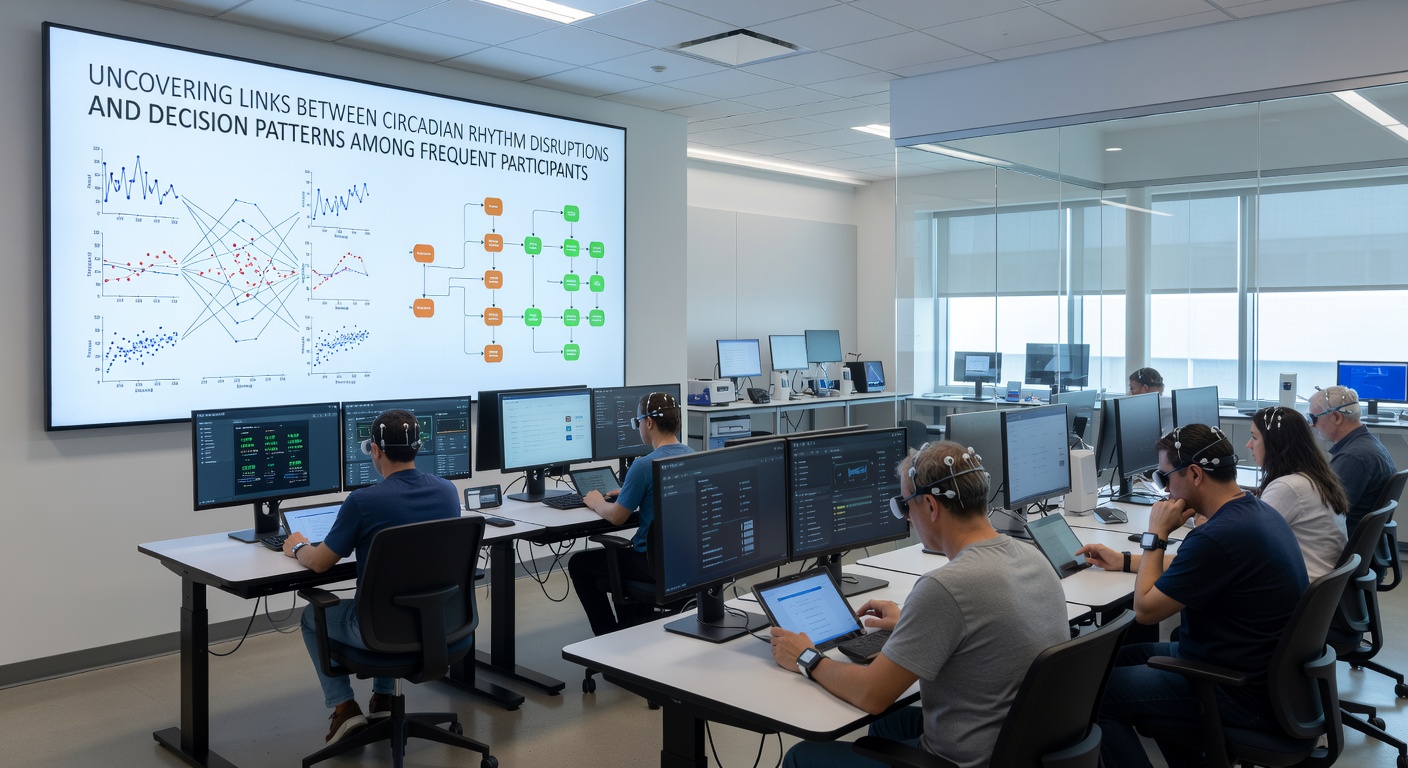
Additional findings link prolonged screen exposure during night hours with increased reaction times on decision prompts. Eye-tracking studies performed at research facilities in Singapore recorded slower processing speeds on equity calculations after four consecutive hours of play past midnight. The slowdown correlated with higher rates of check-folding strong hands that earlier session data showed would have been bet or raised.
Regional Differences in Player Behavior
Time zone clusters produce distinct patterns. European players who join late U.S. tournaments often extend sessions into their early morning, whereas Australian participants chasing Asian late-night liquidity face similar extensions. A comparative review of Australian and Canadian player pools found that both groups exhibited elevated all-in frequencies during the final two hours of extended sessions, even when stack depths and tournament stages remained constant. Regulatory filings from the Australian Communications and Media Authority and the Alcohol and Gaming Commission of Ontario include aggregated play-time reports that align with these observations, although individual identifiers remain protected.
Physiological Markers and Recovery Windows
Heart-rate variability and cortisol sampling conducted in controlled laboratory settings demonstrate that night-time play elevates sympathetic activity while suppressing parasympathetic recovery. Players who returned to screens within four hours of previous sessions showed slower restoration of baseline cognitive test scores on tasks measuring risk assessment and impulse control. Platforms that offer session reminders or mandatory breaks have recorded modest reductions in average session length among users who enable those features, according to internal metrics shared with academic partners.
Conclusion
Platform data, physiological measurements, and regional regulatory reports together indicate consistent associations between disrupted circadian timing and altered decision metrics among frequent digital card room participants. Continued collection of anonymized play records across licensing jurisdictions will allow researchers to refine these observations and identify practical scheduling adjustments that preserve performance without restricting access.