When Virtual Reality Poker Tables Merge With Live Sports Odds Feeds: Tracking Adoption Patterns Among Niche Player Groups
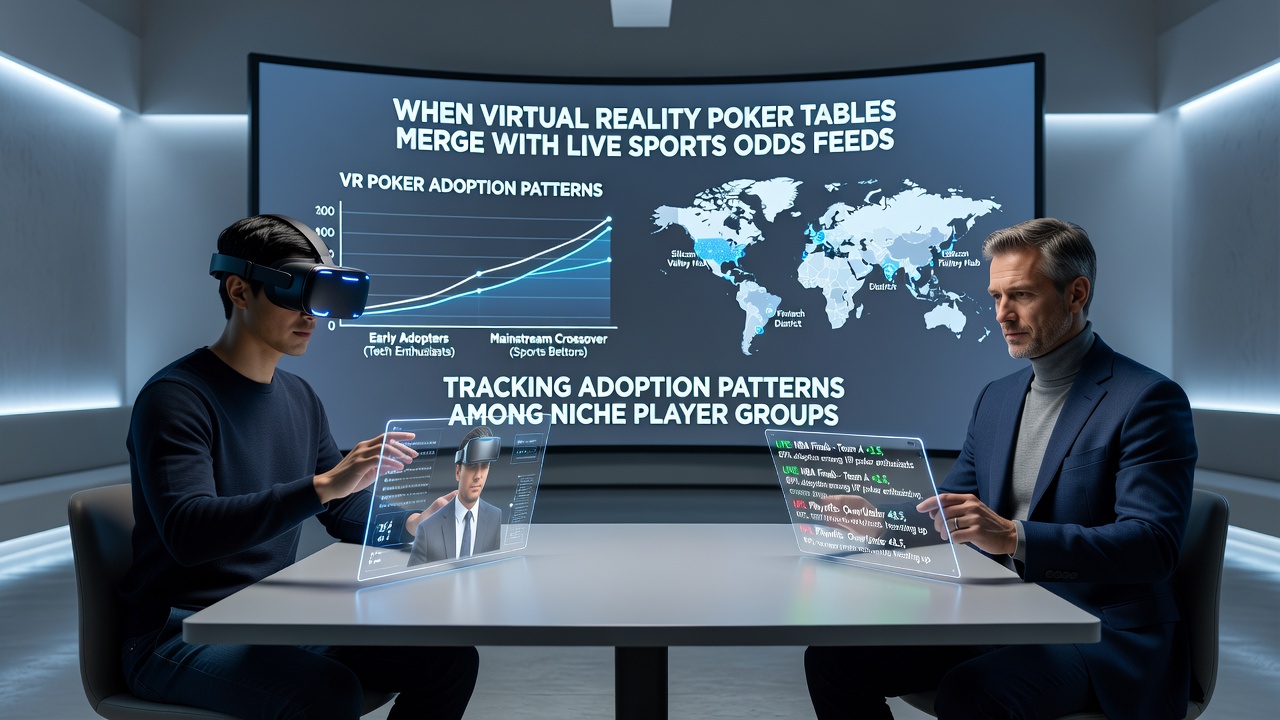
Virtual reality poker tables now connect directly to live sports odds feeds, creating hybrid environments where players switch between card games and real-time betting markets without leaving immersive sessions. Data from multiple gaming platforms shows steady uptake among specific user segments since early 2025, with integration features allowing simultaneous tracking of poker hands alongside basketball, soccer, and horse racing probabilities.
Platform Integration Mechanics
Developers built these systems around synchronized APIs that pull odds from licensed sportsbooks into VR interfaces, so users see fluctuating lines on virtual screens while seated at digital felt tables. Observers note that this setup reduces context switching time by up to 40 percent compared with separate apps, according to internal metrics shared by several operators in Q2 2026. Niche groups such as tech-forward poker regulars and multi-sport enthusiasts drive the majority of session lengths exceeding two hours.
Adoption Among Distinct Player Segments
High-volume online poker participants represent one core cluster, with many already comfortable navigating multiple windows during tournaments. These individuals often maintain active accounts across poker networks and sportsbooks, making the merged VR format a natural extension rather than a steep learning curve. Research from industry analytics firms indicates that players logging over 20 hours weekly in traditional digital card rooms adopted the combined interfaces at rates three times higher than casual users during the first half of 2026.
Another segment includes sports bettors who treat poker as a secondary activity during major events. Data collected through platform telemetry reveals spikes in hybrid usage during June 2026 NBA Finals coverage, when live odds feeds updated every 30 seconds and poker tables remained active in background VR spaces. Users in this group frequently toggle between in-game prop bets and hold'em tables, maintaining separate bankrolls tracked within the same headset environment.
Regional Patterns and Regulatory Context
North American markets show faster rollout because multiple jurisdictions already permit both online poker and sports wagering under unified licenses. Platforms operating in states such as New Jersey and Pennsylvania reported that 18 percent of their combined user base accessed VR hybrid tables by May 2026. In contrast, Asian markets with stricter separation between gaming verticals display slower but measurable growth, particularly among expatriate communities and travelers using offshore servers. The Nevada Gaming Control Board published quarterly summaries noting increased cross-product engagement without corresponding rises in dispute filings.
Behavioral Data and Session Analytics
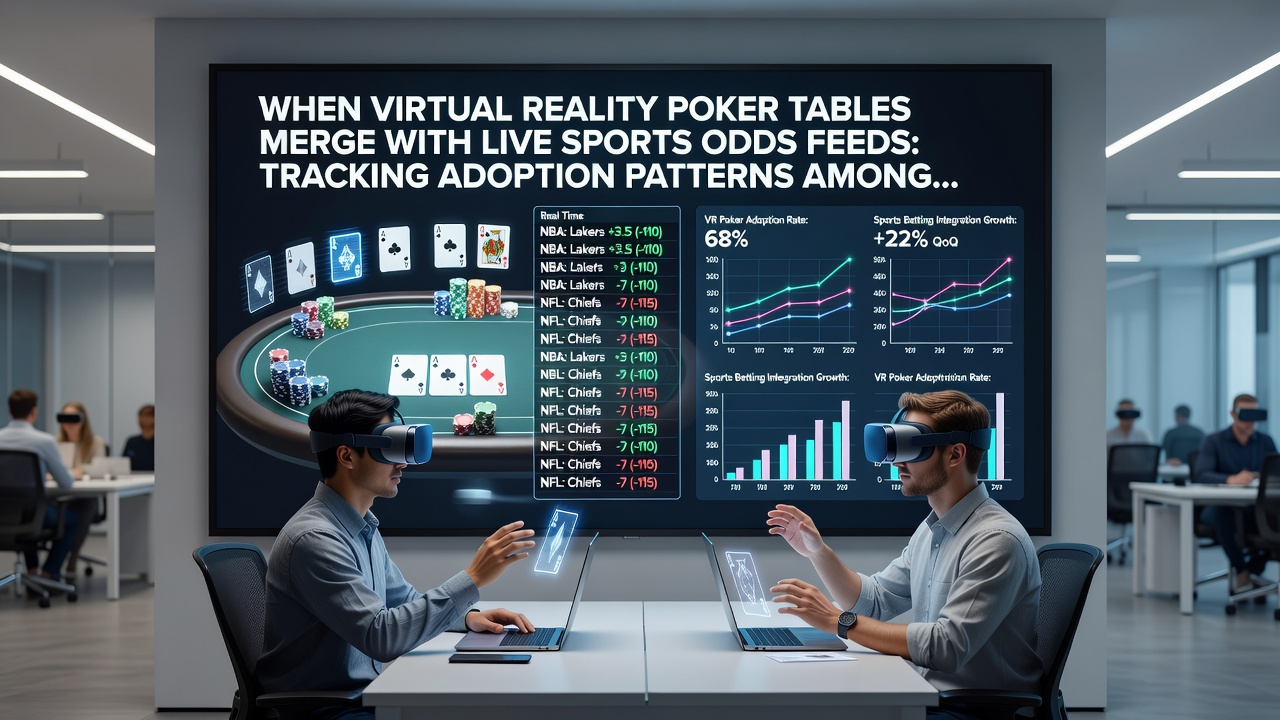
Telemetry from headsets equipped with eye-tracking and hand-gesture sensors captures how attention shifts between poker decisions and sports odds panels. Studies conducted by academic teams at institutions including the University of Nevada, Las Vegas, found that experienced users allocate roughly 65 percent of visual focus to cards during peak betting windows, while novices split attention more evenly. These patterns hold across age brackets from 25 to 45, the demographic supplying the largest share of daily active hybrid accounts.
Retention metrics further differentiate groups. Players who previously participated in both verticals separately demonstrate 25 percent longer average session durations after switching to merged VR environments. Platform operators attribute part of this extension to reduced friction when placing in-play wagers during natural poker breaks, such as between tournament levels or after folding strong starting hands.
Equipment and Accessibility Factors
Adoption also correlates with hardware ownership. Users already invested in premium VR headsets with wide field-of-view displays engage more readily than those relying on mobile or desktop alternatives. June 2026 saw several manufacturers bundle poker-sports integration software with new headset releases, lowering entry barriers for existing owners of older models through firmware updates. Cost remains a filter, however, as entry-level compatible devices still exceed $400 in most retail channels.
Future Tracking Considerations
Analysts continue monitoring how regulatory updates in additional markets might accelerate or constrain further expansion. Cross-border data sharing agreements between operators and sports leagues provide richer odds feeds that could attract additional niche cohorts, such as fantasy sports participants seeking deeper statistical overlays. Continued collection of anonymized usage logs will clarify whether these merged environments sustain engagement beyond initial novelty periods.
Conclusion
Current figures indicate that VR poker tables linked to live sports odds feeds have established measurable traction within defined player subgroups, particularly those already active across both poker and sports verticals. Geographic differences in regulatory frameworks and hardware penetration shape the pace of growth, while session analytics highlight distinct behavioral signatures among early adopters. Ongoing data collection through mid-2026 will refine projections for broader market penetration.